The Best Fluffy Pancakes recipe you will fall in love with. Full of tips and tricks to help you make the best pancakes.


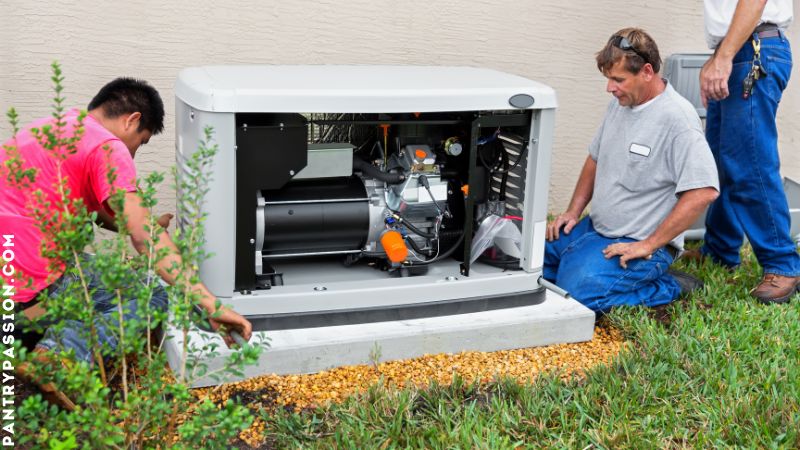
When the lights go out, your fridge and freezer become a ticking clock. Without power, perishable food can spoil in just a few hours—putting your grocery budget and your family’s health at risk.
Naturally, you’re thinking you need a generator, and what size generator to run refrigerator and freezer.
A generator can be your food’s best friend during a blackout or power outage. In this guide, we’ll break down how generators work, how much power you need to keep your fridge and freezer running, and smart tips to protect your food supply when the grid goes down.
A generator can absolutely help keep your food safe during a power outage—if used correctly and consistently.
Visit How to Keep Food Cold During a Power Outage for more tips.
How a Generator Keeps Food Cold
Generators can be a godsend when appliances are impacted after just a few short hours of being disconnected from an electrical source.
According to Health.com, your fridge keeps food safe for up to 4 hours without power (if unopened), and a full freezer can last 48 hours. After that, perishable items like meat, dairy, and leftovers should be tossed to avoid foodborne illness.
- Refrigerators and freezers need power to maintain safe temperatures:
- Fridge: below 40°F (4°C)
- Freezer: 0°F (-18°C) or lower (The Provident Prepper recommends below 25°F to safely extend generator battery/fuel – see further below).
- A generator can power these appliances intermittently to maintain those temps, especially if you keep the doors closed between cycles.
- This is especially helpful during extended outages when food would otherwise spoil after 4 hours in the fridge or 24–48 hours in a full freezer.
Smart Generator Tips
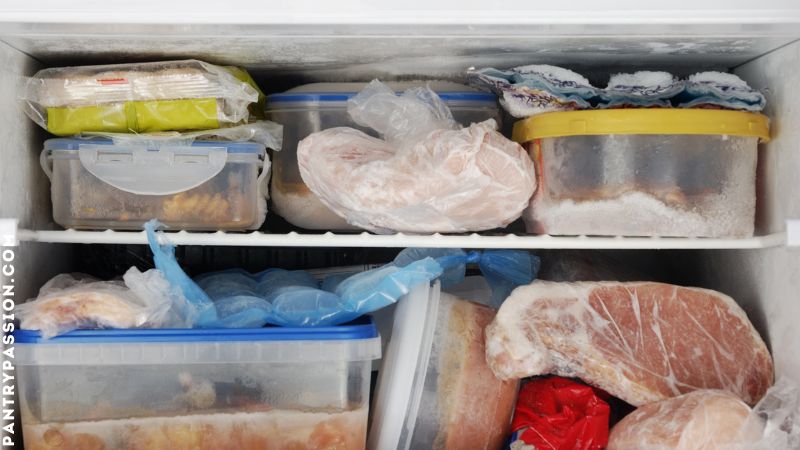
The Provident Preppers on Youtube specifically talk about running a generator for a chest-type freezer or deep freezer. Although best practice is to keep freezers at 0°F under normal conditions, in an emergency, you want to monitor the freezer to keep it between 20°F-25°F. When the freezer creeps up near 25°F, it’s time to turn your generator on.
Turning on the generator might only be every day, or every two days (depending on how much you open the door of the deep freezer). It also depends where you store the freezer – if it’s in a hot garage expect to turn on that generator more.
Mike from The Provident Prepper cautions to never let the freezer get above 32°F. Mike uses his science background to explain that solids melt when they are in conditions above 0°F. When the solids transition between 0°F and 32°F, they absorb energy in the melting process before starting to thaw.
When it comes time to hook your generator back up, the generator has to work extra-hard to cool back down the chest freezer, draining your battery bank or fuel. Mike recommends keeping your freezer below 25°F during power outages as the most efficient temperature to maintain.
After the power outage is over and the deep freezer is re-connected to a wired power source, it should drop back to the recommended 0°F setting.
- Don’t run it nonstop: Most portable generators aren’t designed for 24/7 use. Instead, run it for 1–2 hours every few hours to keep things cold and conserve fuel.
- Use a thermometer: Keep appliance thermometers in your fridge and freezer to monitor temps.
- Add ice or dry ice: If you can’t run the generator continuously, supplement with ice to extend cooling time to appliance.
- Never use a generator indoors: Always run it outside, away from windows, to avoid carbon monoxide poisoning.
What Size Generator to Run Refrigerator & Freezer
When the power goes out, your fridge and freezer are top priorities—but not all generators are created equal. To keep your food safe, you’ll need to know how much wattage your appliances require and choose a generator that can handle both their running and starting power needs.
🧮 Step-by-Step Generator Sizing
- Find the appliance wattage
- Look for a label inside your fridge or freezer (usually near the door or back panel).
- Multiply volts × amps to get watts. Example: 120 volts × 5 amps = 600 watts (running power)
- Account for startup surge
- Refrigerators and freezers need 2–3× more power to start than to run. That 600-watt fridge might need up to 1,800 watts to start.
- Choose a generator with enough capacity
- Add up the starting watts of all appliances you want to run at once.
- Choose a generator with 20–30% more than your total to avoid overload.
⚠️ Quick Reference Table
| Appliance | Running Watts | Starting Watts |
|---|---|---|
| Mini fridge | 300–500 W | 600–1,000 W |
| Standard fridge | 600–800 W | 1,200–2,400 W |
| Chest freezer | 500–700 W | 1,000–2,100 W |
| Large fridge/freezer combo | 800–1,200 W | 2,000–3,000 W |
A 3,000–4,000 watt generator is usually enough to power a standard fridge and freezer combo safely.
Source: Learnmetrics.com
Generator Alternatives for Power Outages
Generators are a popular choice for backup power—but they’re not the only option. Whether you’re looking for something quieter, more eco-friendly, or just easier to maintain, there are several generator alternatives that can keep your food safe and your home running during a blackout.
1. Portable Power Stations
These compact, battery-powered units are perfect for powering small appliances like mini fridges, lights, or phone chargers. Many models include AC outlets, USB ports, and even solar charging capability. Jackery portable power stations are one popular brand, especially to keep chest freezers cold.
- Pros: Silent, no fumes, easy to use indoors
- Cons: Limited capacity; not ideal for large appliances
2. Solar Generators
Pair a portable power station with solar panels, and you’ve got a renewable energy source that works even off-grid. Great for extended outages—especially if you live in a sunny area.
- Pros: Renewable, quiet, low maintenance
- Cons: Slower charging; weather-dependent
3. Battery Backup Systems
Whole-home battery systems (like Tesla Powerwall or EcoFlow Delta Pro) store energy from the grid or solar panels and automatically kick in during an outage.
- Pros: Seamless transition, powers multiple appliances
- Cons: High upfront cost; professional installation required
4. Thermal Coolers & Ice Chests
While not a power source, a high-quality cooler (like a YETI hard cooler) packed with ice or frozen water bottles can keep food cold for 24–72 hours—especially helpful if you don’t have a generator.
YETI coolers are designed with denser, thicker sides for extended chilling. Beware though, they work best if you don’t open them, so they can maintain low temperatures.
- Pro Tip: Freeze gallon jugs of water ahead of time and keep your cooler closed as much as possible.
5. DIY Off-Grid Solutions
For the handy and adventurous, DIY systems like The Lost Generator or small wind turbines offer creative ways to generate power using magnets, coils, or wind energy.
- Pros: Customizable, potentially low-cost
- Cons: Requires technical skill and setup time
Whether you’re prepping for a storm or just want peace of mind, these alternatives can help you stay powered up—without the noise, fumes, or fuel of a traditional generator.
How to Prioritize Appliances During an Outage
When the power goes out, your generator becomes your lifeline—but it can’t power everything at once. That’s why it’s essential to prioritize the appliances that protect your food, safety, and comfort. Here’s how to make smart choices when every watt counts:
1. Keep Food Safe First
Your refrigerator and freezer should be at the top of your list. Food can spoil in as little as 4 hours without power, so plug in:
- Refrigerator (600–800W running)
- Freezer (500–700W running)
Tip: Run them for 1–2 hours every few hours to maintain safe temperatures and conserve fuel.
Visit How to Keep Food Cold During a Power Outage for food safety tips.
2. Power Essential Lighting
A few well-placed LED lamps or lanterns can make a big difference—especially in kitchens, bathrooms, and hallways. Choose low-wattage options to stretch your generator’s capacity.
3. Support Medical or Safety Devices
If anyone in your household relies on medical equipment (like CPAP machines or oxygen concentrators), these should take priority. Also consider:
- Phone chargers (for emergency communication)
- Smoke and carbon monoxide detectors
4. Cook Smart
Stick to one small appliance at a time—like a microwave, electric kettle, or single-burner hot plate. Avoid running high-wattage devices simultaneously.
5. Stay Comfortable (If You Can)
If your generator has extra capacity, consider powering:
- A small fan or space heater (depending on the season)
- A sump pump (to prevent flooding)
- A router or modem (for emergency updates)
Pro Tip: Make a list of your must-have appliances before the next outage hits. Label cords, test wattage, and practice rotating usage so you’re not scrambling in the dark.
Conclusion
When the power goes out, your refrigerator and freezer are on borrowed time—but a generator can be your best defense against food spoilage. By supplying backup electricity, a generator helps maintain safe temperatures, preventing costly waste and potential foodborne illness.
This blog post walks you through how generators work, how much power your appliances need, and smart strategies for rotating usage, conserving fuel, and staying safe. Whether you’re prepping for a storm or navigating an unexpected blackout, knowing how to use a generator effectively can keep your pantry—and your peace of mind—intact.