The Best Fluffy Pancakes recipe you will fall in love with. Full of tips and tricks to help you make the best pancakes.


To protect furniture in storage from mice, thoroughly clean all items, wrap them in rodent-resistant materials, elevate them off the ground, and use natural or chemical repellents around the storage area. Regular inspections and sealing entry points are also key.
Below are some best practices when storing furniture long-term (storage units, seasonal scenarios like RVs and cabins), how to clean rodent-damaged furniture, and if insurance will pay for furniture that has been damaged in storage.
Table of Contents
- 1. Clean Everything Thoroughly
- 2. Treat and Wrap Furniture Properly
- 3. Elevate Off the Ground
- 4. Use Repellents Around the Storage Area
- 5. Seal Entry Points and Inspect Regularly
- 6. Set Traps in Storage Areas
- Special Considerations by Furniture Type
- How to Clean Items Stored in a Storage Room With a Mice Infestation
- Legal Rights Regarding Rodent Damage to Property in Storage Units
1. Clean Everything Thoroughly
- Vacuum and wipe down all furniture to remove crumbs, food residue, and odors that attract mice.
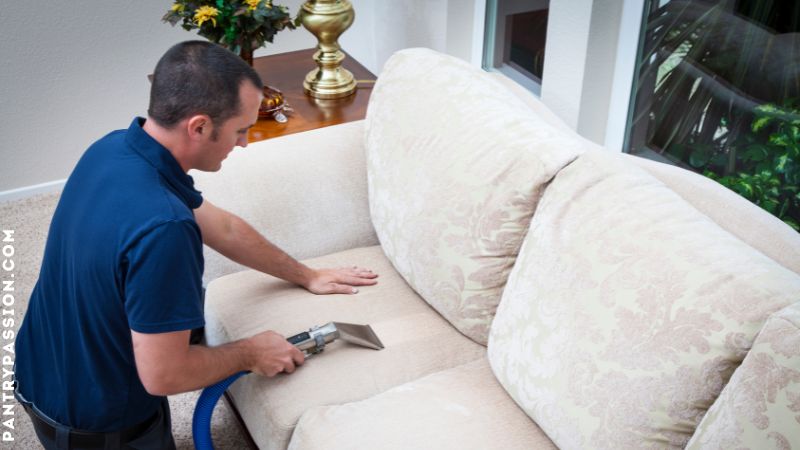
- Upholstered items should be steam-cleaned or treated with fabric-safe disinfectants.
- Avoid scented cleaners that might attract rodents.
2. Treat and Wrap Furniture Properly
- Wood furniture: Apply a protective sealant or oil to deter nesting and chewing.
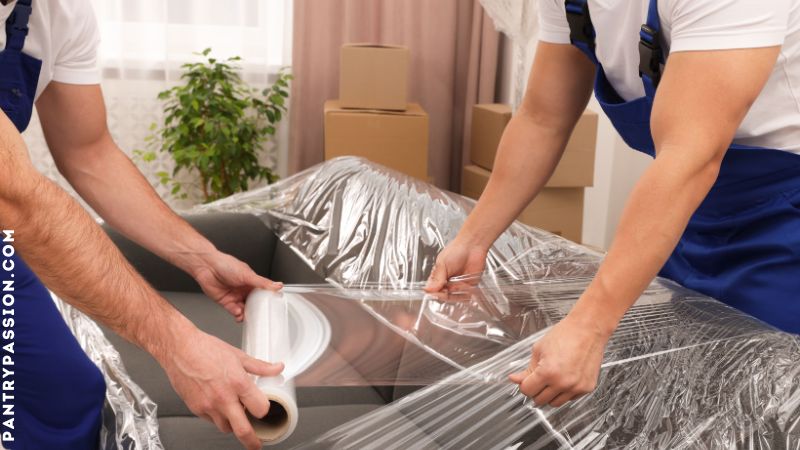
- Wrap with rodent-resistant materials like heavy-duty plastic sheeting or moving blankets (or buy plastic mattress storage bags for moving).
- Consider layering in peppermint oil before shrink-wrapping. Peppermint doesn’t last long, but inside shrink wrap, it would.
- Avoid cardboard or thin plastic, which mice can chew through easily.
- For rugs, scatter shave Irish Spring soap all around the rug before rolling it up in a bag.
The thought of “furniture in storage” may not be a storage unit. You might be leaving a cabin for the winter – the same goes for an RV. Owners are often especially concerned about mattress protection from mice. Although wrestling to put a plastic bag over a mattress is no fun, it’s worth it for the end-of-the season shut down.
There really isn’t anything that is mouse-proof, but mouse-resistant. A thick piece of plastic can slow a mouse down, or move them along to something easier to access.
Some people even mention skipping a mattress in their cabin, RV, or boat, and using in inflatable mattress instead that doesn’t have alluring nesting material. Intex air mattress is one recommended mattress by season users.
3. Elevate Off the Ground
- Use pallets, bricks, or shelving to keep furniture at least 6 inches off the floor, or smooth rods that are difficult for mice to climb.
- This reduces access and discourages nesting underneath.
I cannot say if this novel method really works or not, but it’s an option: tin foil. A user posted in a Reddit forum their success of getting mice out of furniture by laying aluminum foil down, and then placing the couch on top of the foil.
His goal was to get the mouse, but he reported that the mice would not cross the foil, but they had to at some point to get food. It seems a much better use to prevent mice from getting into the furniture in the first place. If you’re desperate, what have you got to lose?
4. Use Repellents Around the Storage Area
- Natural options: Peppermint oil, cloves, or dryer sheets placed near furniture.
- Chemical repellents: Rodent deterrent sprays or granules (safe for indoor use).
The same mouse repellent strategies used for storing vehicles works for storing furniture – even the blinking lights! Check out ways to deter mice naturally for all kinds of good ideas!
For folks who enjoy hang out areas in their garage, I would avoid stuffed, upholstered furniture. You’re creating an on-going battle against mice that will be hard to win. Instead, opt for premium lawn chairs that are easier to keep crumbs off.

5. Seal Entry Points and Inspect Regularly
- Check for gaps, cracks, or holes in walls, doors, and floors.
- Follow best practices to discourage rodents from the outside of houses, apartments, and storage units.
- For storage units or entry doors, consider installing mouse-proof door sweeps and rodent-proof garage door seals.
- Use steel wool or caulk to seal small openings.
- Inspect monthly for droppings, chewed materials, or nesting signs or hire a pest exterminator.
6. Set Traps in Storage Areas
- Use best practices when setting mouse traps, including snap traps and sticky glue traps.
- Refer to Pantry Passion’s Mega Mouse Bait List to get your efforts right the first time.
I’m not a big fan of rat poison in this situation. Mice can end of dying inside of your furniture. However, placing bait stations outside of storage units is a good move.
Whatever you do, do NOT place attractant bait in your storage area. Most storage units forbid the storage of food and attractants.
Special Considerations by Furniture Type
- Upholstered furniture: Wrap tightly and avoid storing in damp areas.
- Leather furniture: Avoid plastic touching leather and store in climate-controlled building.
- Wood pieces: Avoid direct contact with concrete floors to prevent moisture and pest damage.
- Mattresses: Use mattress bags rated for pest protection.
How to Clean Items Stored in a Storage Room With a Mice Infestation
To clean items stored in a room with a mice infestation, wear protective gear, ventilate the space, disinfect all surfaces, and safely dispose of contaminated materials. Avoid dry sweeping or vacuuming droppings to prevent airborne disease particles.
Here’s a step-by-step guide based on CDC and pest control expert recommendations:
1. Gear Up for Safety
- Wear rubber gloves, long sleeves, and an N95 mask or respirator.
- Do not dry sweep or vacuum droppings—this can aerosolize harmful particles like hantavirus.
- Ventilate the area for at least 30 minutes before cleaning.
2. Prepare a Disinfectant Solution
- Use a household disinfectant labeled for killing bacteria and viruses.
- Or mix a bleach solution: 1 part bleach to 10 parts water.
- Keep the surface wet with disinfectant for at least 5 minutes before wiping.
3. Clean Contaminated Items
- Hard surfaces (plastic, metal, sealed wood): Spray with disinfectant, let sit, then wipe clean.
- Soft items (fabric, upholstery): Steam clean or launder with hot water and detergent. Discard if heavily contaminated.
- Paper goods or cardboard: If droppings or urine are present, discard them safely in sealed bags.
Avoid disinfectants and bleach on leather or wood surfaces. Use a cleaner specifically formulated for leather. Use Murphy’s Oil Soap on wood surfaces (Murphy’s is not a disinfectant, but does a great job cleaning, which can include mouse urine and feces). Both leather and wood can sit out in the sunshine to disinfect naturally.
4. Dispose of Nesting Materials & Droppings
- Use paper towels to pick up droppings and nesting debris after soaking with disinfectant.
- Place waste in double plastic bags, seal tightly, and discard in an outdoor trash bin.
5. Post-Cleaning Precautions
- Wash hands thoroughly with soap and water after removing gloves.
- Clean and disinfect any tools used during the process.
- Monitor for signs of illness and consult a healthcare provider if exposed to rodent waste.
Legal Rights Regarding Rodent Damage to Property in Storage Units
Opening a storage unit you’ve rented, only to discover rats have destroyed your personal property can be a sinking feeling.
First of all, read your contract. Likely, there will be a clause that states the owner of the storage unit is not liable for damage. Laws can vary by state. Take pictures of the damage and meet with the storage unit owner. It’s important for them to be aware of the rodent problem. In a good faith measure, they may come to a compromise. After all, bad customer reviews, word of mouth, etc. can hurt their business.
Determining who pays for insurance (you or the storage unit owner) should be a conversation that starts before signing a contract. If you do pay for it through the the storage unit owner, you may have to go through their process for recovering monetary damages.
Also refer to your own renter/homeowner insurance paperwork. You might have coverage for personal property in a storage facility or “away from home” situations through your home/condo/tenant insurance, however a loss caused by rodents or insects is often an exclusion. Bummer.