The Best Fluffy Pancakes recipe you will fall in love with. Full of tips and tricks to help you make the best pancakes.


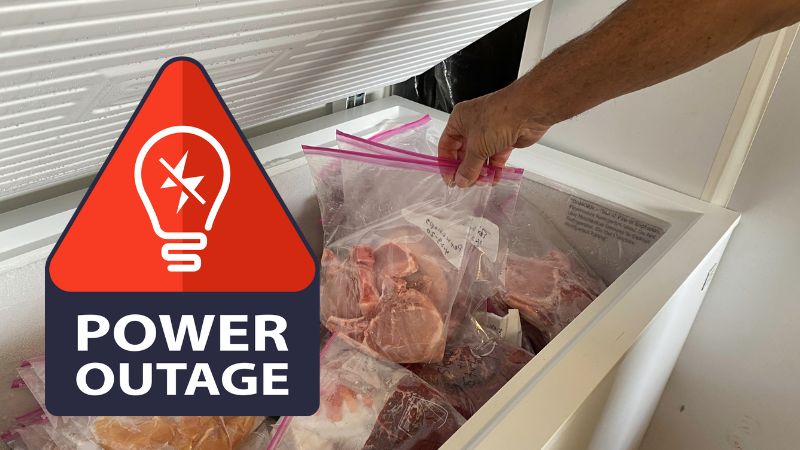
When the lights go out, keeping food cold becomes a race against time—and a key to preventing waste and illness. In this guide on how to keep food cold during a power outage, you’ll learn practical strategies to preserve perishables, extend fridge and freezer life, and avoid costly spoilage.
From prepping ice packs and insulating coolers to using appliance thermometers and dry ice safely, we cover everything you need to stay food-safe when the grid goes down. Whether you’re facing a storm, blackout, or emergency, these tips will help you protect your food and your peace of mind.
Table of Contents
- Prepare Your Freezer Before a Power Outage
- Food Safety Guidelines for Refrigerators & Freezers
- Short-Term Cooling Solutions During a Power Outage
- Using Dry Ice Safely for Food Storage
- FAQs
Prepare Your Freezer Before a Power Outage
There are cool strategies you can take (pardon the pun) to extend your food cooling capacity during a power outage.
Before the storm comes, take these steps:
- Add water bottles to the freezer, which can act as ice packs to keep the rest of the food cold (and give you a fresh water supply if there is a water shortage).
- Add perishable foods, like meats or leftovers to the freezer. This protects your immediate, cooked food supply by freezing it.
- Identify frozen foods that you could eat when they are partially thawed.
- Use your ice maker to freeze extra cubes ahead and bag them up in large freezer bags so they’re ready for the cooler.
- Filling your freezer up will help it stay cold longer. Put a bucket of water in the freezer as soon as you know the potential for severe storms. This is a great way to fill voids and help your freezer to be more efficient.
- Re-locate food so it’s easy to get to quickly (this means opening and closing the door fast when retrieving when power is out to conserve the freeze).
Other Freezer & Fridge Power Outage Tips
Consider setting the fridge and freezer to the coldest setting (don’t freeze the fridge, though!). This will buy you a little time by making everything colder to start with. If your power doesn’t go out, make sure to adjust back down to normal temps.
The Provident Prepper on Youtube
TIP: Eat the food in the fridge before the storm so it doesn’t go to waste. FoodSafety.gov has a list of which refrigerated foods are still good after the power has been out.
Food Safety Guidelines for Refrigerators & Freezers
After power outage NEVER taste a food to determine its safety or if it is “OK.” The first rule to remember is “when in doubt, throw it out.” If your power was out just a few hours and you didn’t open the refrigerator or freezer, chances are the food is OK. Foodsafety.gov has a cold food storage chart with temperature guidelines for safety.
- A refrigerator should keep food cold for six hours if the doors are shut
- A half-full freezer will keep food frozen for 24 hours (48 hours if the freezer is full)
Resist the urge to peek! Keep these appliances closed and it gains you time (especially if you have a good dollar investment in your food!). These stats apply IF don’t open the doors, according to the U.S. Department of Agriculture’s Food Safety and Inspection Service. Refer to their page for food safety charts to keep and toss food.
TIP: Keep appliance thermometers in the refrigerator and freezer at all times. When the power is out, an appliance thermometer will always indicate the temperature in the refrigerator and freezer no matter how long the power has been out. The refrigerator temperature should be 40º F or below; the freezer, 0º F or lower.
Short-Term Cooling Solutions During a Power Outage
When the power goes out, every minute counts in keeping your food safe. These quick fixes can help you maintain cold temperatures and prevent spoilage:
🧺 Use Insulated Coolers
- Pack with Ice Packs or Frozen Bottles: Layer items with frozen gel packs or water bottles to maintain chill.
- Wrap in Towels: Add insulation by wrapping the cooler or placing towels inside to trap cold air.
- Separate Raw Meats: Store in leakproof containers at the bottom to prevent cross-contamination.

🧨 Dry Ice or Ice Blocks
- Dry Ice: Keeps food frozen longer than regular ice—handle with gloves and never let it touch food directly.
- Ice Blocks: Last longer than cubes and are ideal for coolers or fridge compartments.
🚗 Car-Based Cooling
- Portable Car Fridge or Cooler: Plug into your vehicle’s power outlet to keep essentials cold.
- Use Your Trunk: In cold weather, your car’s trunk can act as a makeshift cooler—just monitor temps carefully.
These methods buy you time until the power returns.
Using Dry Ice Safely for Food Storage
Dry ice is a powerful tool for keeping food cold during emergencies, but it must be handled with care. Here’s how to use it safely and effectively:
🧤 Handling Precautions
- Wear Protective Gloves: Dry ice is -109.3°F (-78.5°C) and can cause severe frostbite if touched directly.
- Use Tongs or Insulated Tools: Avoid skin contact by using utensils designed for extreme cold.
🌬️ Ventilation Is Critical
- Never Seal Dry Ice in Airtight Containers: As it sublimates into carbon dioxide gas, pressure can build and cause explosions.
- Store in Well-Ventilated Areas: CO₂ gas can displace oxygen in enclosed spaces, posing a suffocation risk.
🧊 Placement Tips
- Layer Dry Ice at the Bottom of Coolers: Place food above it with a barrier (like cardboard or towels) to prevent freezer burn.
- Avoid Direct Contact with Food: Dry ice can damage texture and flavor—use containers or wrap items securely.
🚫 Storage Warnings
- Don’t Use in Household Freezers: It can damage the thermostat and cause unsafe gas buildup.
- Keep Away from Children and Pets: Store in a secure location to prevent accidental exposure.
🗑️ Disposal Guidelines
- Let It Sublimate Naturally: Place leftover dry ice in a well-ventilated area and allow it to evaporate.
- Never Flush or Trash It: It can damage plumbing or create pressure hazards in enclosed bins.
Dry ice is incredibly effective when used correctly—but safety always comes first.
FAQs
Can I use dry ice in my freezer?
Technically yes—but with serious precautions. Dry ice sublimates into carbon dioxide gas, which can build up and displace oxygen in enclosed spaces. If stored improperly, it may damage your freezer’s thermostat or cause pressure-related hazards. BEST PRACTICE IS TO AVOID USING IT INSIDE OF A FREEZER!
How long does food last in a fridge without power?
Up to 4 hours—if you keep the door closed. According to the FDA and CDC, refrigerated food stays safe for about four hours during a power outage as long as the fridge remains shut. After that, perishables like meat, dairy, and leftovers may enter the “danger zone” above 40°F (4°C), where bacteria can grow rapidly. If the outage lasts longer, transfer essentials to a cooler with ice packs or dry ice. And remember: when in doubt, throw it out Want help building a fridge-safe emergency kit or printable food safety chart? I’ve got ideas!
Is It Safe to Eat Food That Was Outside During a Winter Power Outage?
Not necessarily. While it might seem logical to store food outdoors in cold weather, outside temperatures can fluctuate—even with snow on the ground. This can cause food to enter the “danger zone” above 40°F (4°C), where bacteria multiply quickly. Plus, outdoor food is exposed to animals, insects, and unsanitary conditions. Instead, use insulated coolers with ice packs or dry ice to keep food cold safely. Want help writing a full section on winter food safety or prepping a cold-weather emergency kit? I’ve got ideas!