The Best Fluffy Pancakes recipe you will fall in love with. Full of tips and tricks to help you make the best pancakes.



For dog owners out there, it’s natural to ponder if your dog can solve your mouse and rat problem. Hey, it’s a tool in your mouse-catching toolbox, so why not use it?
Then there is the very valid question if mouse and rat poison will harm your dog. Let’s jump in to answer these questions and keep your dog safe.
DON’T MISS Pantry Passion’s Complete Article List for Mouse & Rat Prevention!
Table of Contents
- Are Mice Afraid of Dogs?
- Are Rats Afraid of Dogs?
- Can Rats & Mice Smell Dogs?
- Are Dogs Good at Smelling Rats & Mice
- Will Dogs Eat Mice?
- Will Dogs Might Eat Rats?
- Peppermint Oil and Dogs: What You Need to Know
- Mouse Poison: Why It’s So Dangerous for Dogs
- Poop Eating – It Happens
- Are Sticky Traps Poisonous to Dogs?
- Pet Safe Mouse Poison and Repellents for Homes With Dogs
- Ultrasonic Mouse Repellent for Dogs: Does It Work?
- Wrap-Up: Smart Pest Control for Dog Lovers
Are Mice Afraid of Dogs?
It’s not a simple yes or no—mice can be afraid of dogs, but it depends on a few factors.
What the research says:
- Dogs alone don’t always deter mice: Studies show that mice activity doesn’t significantly drop in homes with just dogs. However, when both dogs and cats are present, mice are much more likely to stay away due to the combined predator threat.
- Mice may temporarily avoid dogs: If a mouse senses a dog nearby, it might hide or avoid that area. But once the dog moves on, mice often return.

Breed and behavior matter:
- Terrier breeds (like Jack Russells or Dachshunds) are natural hunters and may actively chase or kill mice, which can help keep them at bay.
- Calm dogs may not trigger fear in mice, while loud or aggressive dogs that bark or chase can be more intimidating.
So while dogs can help, they’re not a foolproof mouse deterrent.
Are Rats Afraid of Dogs?
Yes—rats are generally afraid of dogs, but it’s not just instinct—it’s survival smarts.
Why Rats Fear Dogs:
- Predator recognition: Rats have evolved to recognize dogs as potential threats. When they sense a dog nearby, they often flee or hide to avoid confrontation.
- Physiological fear response: Studies show rats experience elevated heart rate, blood pressure, and stress hormone levels when exposed to dogs—clear signs of fear.
- Learned behavior: Rats can associate dogs with danger, especially if they’ve witnessed aggressive behavior or attacks. This learned fear reinforces their avoidance.
This video demonstrates “ratting.” Ratting refers to the act of hunting rats, often using specially bred dogs like terriers.
But it’s not always black and white:
- Some rats adapt: In rare cases, rats and dogs can coexist peacefully, especially if the dog is calm and the rat is familiar with its presence.
- Size and breed matter: Larger, more aggressive dogs tend to trigger stronger fear responses. Smaller or less threatening breeds might not scare rats as much.
Real-world impact:
- Dogs alone aren’t always enough to keep rats away. Research shows that dogs and cats together are far more effective at deterring rodents than dogs alone.
So yes, rats are afraid of dogs—but they’re also clever enough to weigh the risk.
Can Rats & Mice Smell Dogs?
Both rats and mice can smell dogs, and they use that ability to assess danger and make survival decisions.
- Rats have an incredibly advanced olfactory system, with around 1,000 types of olfactory receptors—more than double what humans have. This allows them to detect dog scent molecules from a distance and even distinguish between individual dogs based on their unique odors.
- Mice also have a sharp sense of smell and can detect dog-related scents like fur, urine, saliva, and pheromones. When they sense a dog nearby, they often retreat—but they may return once the dog moves away.

🐶 What Rats & Mice Smell:
- Dog scent markers: Rats and mice can pick up on territorial markings, bedding, and even the lingering scent of a dog’s presence.
- Behavioral cues: If the dog is active, barking, or patrolling, rodents are more likely to stay away. But if the dog is calm or stationary, rodents may cautiously return.
⚠️ Not Always a Deterrent:
- Dogs alone aren’t foolproof: Research shows that dogs by themselves don’t significantly reduce rodent activity, but when paired with cats, the deterrent effect is much stronger.
- Mixed signals: Rodents may be attracted to dog food or feces, which can override their fear response.
So yes, rats and mice can smell dogs—and they’re smart enough to use that info to decide whether to flee or forage.
Are Dogs Good at Smelling Rats & Mice
Dogs can smell both mice and rats, but not all dogs are the same.
- Supercharged noses: Dogs have up to 300 million olfactory receptors, compared to about 6 million in humans. That means they can detect even faint traces of rodent scent—like urine, droppings, nesting material, or pheromones.
- Breed matters: Terriers, Beagles, Dachshunds, and other hunting breeds were historically bred to track and chase small prey. Their noses are tuned for this kind of work.
Signs Your Dog Smells a Rodent
- Intense sniffing at walls, cabinets, or corners
- Scratching or pawing at specific spots
- Barking, whining, or staring at one area
- Digging or pacing near suspected hiding places
Bonus: Dogs Can Hear Them Too
Dogs can detect high-frequency sounds that rats and mice make—often ultrasonic squeaks that are completely inaudible to humans.
Can You Train a Dog to Detect Rodents?
Yes! With scent association and positive reinforcement, dogs can be trained to locate rodents in homes, barns, or even warehouses. Some pest control teams use trained dogs for early detection.
So if your pup is acting strangely around the baseboards or fixated on a corner, they might be picking up on a hidden rodent.
Will Dogs Eat Mice?
- Instinctual behavior: Dogs are natural predators. Breeds like terriers were specifically bred to hunt rodents, so chasing and even eating mice can come naturally.
- Curiosity or play: Sometimes dogs catch mice out of boredom or curiosity, and the “play” can escalate into eating.
- Scavenging: Dogs are opportunistic eaters. If they find a dead mouse, they might eat it without hesitation—even if it’s not ideal.
⚠️ Is It Dangerous?
- Disease risk: Mice can carry parasites like roundworms or diseases that may harm your dog.
- Poison exposure: If the mouse ingested rodenticide, your dog could be poisoned by eating it.
- Digestive issues: Most dogs can digest a mouse, but small dogs or puppies might face blockages or stomach upset.
🩺 What to Do If Your Dog Eats a Mouse
- Call your vet: Especially if the mouse was dead or you suspect it had contact with poison.
- Watch for symptoms: Vomiting, diarrhea, lethargy, or behavioral changes could signal trouble.
- Prevent future snacking: Keep your yard and home clean, and discourage hunting behavior if it’s risky.
So yes, dogs can eat mice—but it’s not something you want to encourage. Some dogs do eat rats—but it’s not super common, and it’s definitely not ideal.
Will Dogs Might Eat Rats?
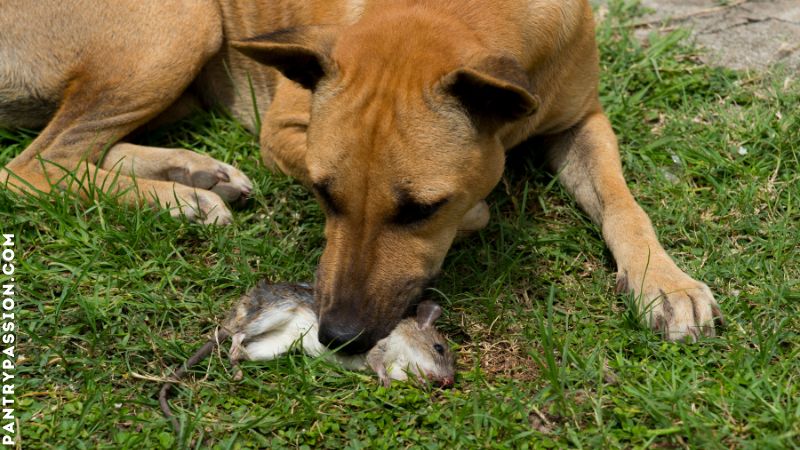
- Instinctual behavior: Dogs, especially terrier breeds, were bred to hunt rodents. Catching and even eating a rat can be part of that prey drive.
- Hunger or scavenging: Stray or feral dogs may eat rats out of necessity.
- Curiosity or play: Sometimes dogs kill rats for sport or stimulation, not for food.
⚠️ Health Risks of Eating Rats
- Parasites: Rats can carry roundworms, toxoplasmosis, and other nasty parasites that can infect your dog.
- Poison risk: If the rat consumed rodenticide, your dog could suffer secondary poisoning.
- Bacterial infections: Diseases like salmonellosis or leptospirosis can be transmitted from rats to dogs.
🐾 What Most Pet Dogs Do
- Chase, not chew: Most well-fed pet dogs will chase or kill rats but won’t eat them.
- Training matters: Dogs trained not to hunt or eat rodents are less likely to engage in risky behavior.
If your dog ever eats a rat, it’s best to call your vet right away—even if they seem fine.
Peppermint Oil and Dogs: What You Need to Know
Are you reaching for peppermint oil to naturally control a mice problem? Whoa! Not so fast!
Read Pantry Passion’s Guide to Peppermint Oil before you do. I have some useful info in there about dogs and peppermint oil safety.
Mouse Poison: Why It’s So Dangerous for Dogs
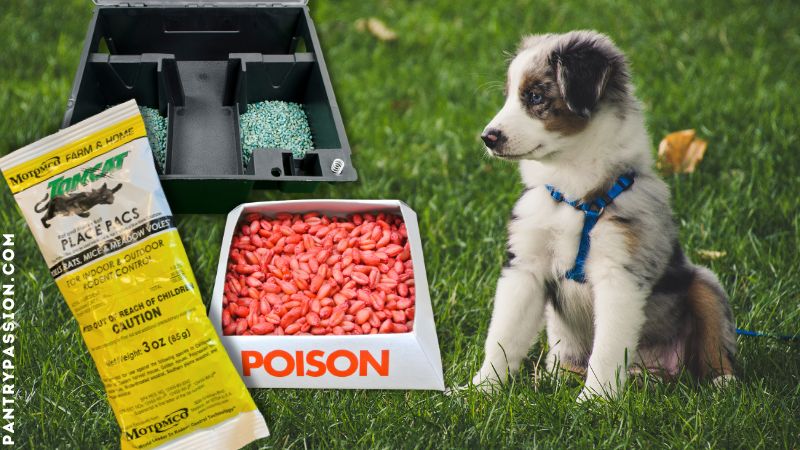
Most conventional mouse poisons contain anticoagulants, neurotoxins, or hypercalcemia-inducing ingredients. These are deadly to mice — and equally harmful to dogs. Depending on the type and amount ingested, symptoms can hit within hours or slowly creep in over several days.
If your puppy or dog ate mouse bait, quick action is key. Poisoned bait is designed to be irresistible — unfortunately, to dogs too.
Immediate steps:
- Do NOT induce vomiting unless instructed by your vet.
- Call animal poison control: ASPCA Animal Poison Control Center (888-426-4435).
- Bring packaging. The ingredients list speeds up diagnosis and treatment.
If you suspect your dog has been poisoned, but don’t know the source, take the same steps. In some cases, people freak out because their dog ate a poisoned mouse. It’s called secondary poisoning, and yes, it’s dangerous. Again, call your vet. If you have the dead mouse, you can bring that in for the vet to know what the mouse/rat consumed.
I have observed my farm cats and farm dogs ignoring a dead, poisoned mouse. For one thing, the thrill of the hunt isn’t there – the mouse is already dead. But, it’s possible for curious pets to gobble up a dead mouse, or a mouse trying to die.
Mouse Poison Symptoms in Dogs
Be alert for:
- Sudden lethargy or weakness
- Bleeding from gums or nose
- Vomiting or diarrhea
- Seizures or tremors
- Difficulty breathing
- Pale gums or internal bleeding
If you notice any of these signs after your dog ingested mouse poison or licked mouse poison, don’t wait — get your dog to a vet immediately. According to Vet Now, some rodenticides prevent blood from clotting, while others can cause severe, acute kidney failure or cause cause brain swelling. Pets: Should a pet ingest bait, induce vomiting and take it to a vet. Vitamin K1 is the antidote.
Knowing the brand of mouse poison is helpful to the vet. They might choose to induce vomiting, or give the dog charcoal.
Poop Eating – It Happens
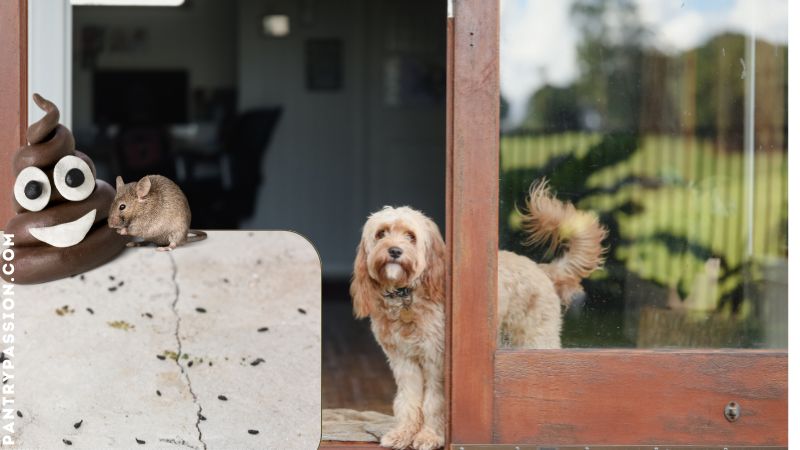
Yes, it’s disgusting. Mice are actually attracted to dog feces if other food sources are scarce. On the flip side, dogs might eat mouse and rat droppings. What can you do about this?
Concerns With Dogs Eating Mouse Poop
If your dog eats mouse poop, here’s what to watch for:
- Gastrointestinal distress (vomiting, diarrhea)
- Possible parasite transmission
- Bacterial infections
Call your vet if symptoms arise. Most cases are harmless, but it’s better to be safe.
Concerns With Mice & Rats Eating Dog Poop
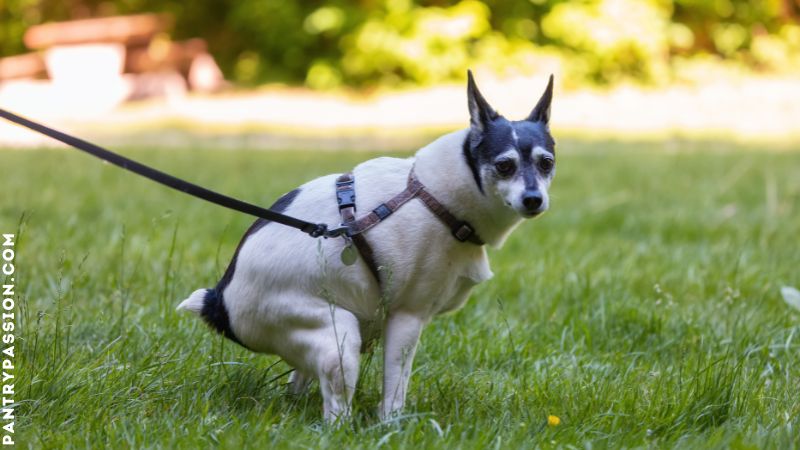
If you leave dog kibble out or don’t clean up the yard, you might be unintentionally inviting rats and mice. In fact, dog poop is a key source of food in urban areas for rats.
While it’s widely believed that dog poop attracts rats, there’s no peer-reviewed statistic confirming it as a key food source in urban areas.
Urban Myth?
- According to urban ecologist Steve Sullivan, there’s no scientific evidence that rats “relish dog feces.” He even states that rats would rather eat their own feces or cannibalize than dine on dog poop.
- The idea that dog waste is a major rat attractant is considered more of an urban myth than a proven fact.
Still, cleanliness matters. Rats are opportunistic feeders and may consume dog poop if other food is scarce. In areas with high dog populations and poor waste cleanup, rats may nest nearby and treat dog poop as a reliable fallback food source. In neglected yards or parks with frequent dog waste can become hotspots for rodent activity.
Are Sticky Traps Poisonous to Dogs?
Thankfully, no — but they’re still a mess. The glue can cause skin irritation, and if ingested, might result in a mild stomach upset. The bigger issue? Getting it off your dog’s fur. Removing glue from dog hair advice is helpful for sticky fly trap glue, too.
For a deep-dive into mouse glue traps and removing mouse glue from pets and carpet, skin, etc. visit Sticky Situations: The Truth About Glue Mouse Traps.
How to Remove Mouse Trap Glue From Dog Fur
Any type of food-grade oil or peanut butter will help break down and release the adhesive. Then use Dawn dish soap on the oily part of the body to wash away the excess. Finish with a full bath with appropriate pet shampoo.
- Apply coconut, vegetable oil, or olive oil generously.
- Gently work the glue free with your fingers or a cloth.
- Use warm water and mild dish soap to clean residue.
- Trim tangled fur with scissors only if necessary.
Alternative: work in Bio-Groom Super Creme Conditioner, then wash the oil or conditioner out.
If your dog stepped directly on the trap, it may be difficult to separate the trap from the paw. If your only problem is You could apply flour or some other similar product to
I would hesitate in using products like Goo Gone and orange spray cleaners (but they ARE really effective in getting food grease stains out of concrete!). To a dog’s delicate skin, it may be too irritating, and harmful chemicals could be absorbed into the skin and bloodstream.
If you are desperate, you may not have a choice. Another old faithful is WD-40 spray. Again, I shudder putting this on my dog’s skin, but I’ve removed paint off my arm with it before. Maybe not the best health practice, but desperate times call for desperate measures!
Pet Safe Mouse Poison and Repellents for Homes With Dogs
You can still win the mouse battle — without endangering your pup.
These safe mouse traps for dogs protect your pup from injury while taking care of the rodent issue efficiently. As for any trap, block access to it as much as possible from the dog. I like to slide heavy objects in front of them that the dog can’t get at.
Here are pet-safe options that actually work:
| Product Type | Pet-Safety Rating | Notes |
|---|---|---|
| Traditional rodenticides | ❌ Not safe | High toxicity risk to pets |
| Sticky traps | ⚠️ Low risk | Not toxic, but causes fur issues |
| Enclosed mechanical traps | ✅ Very safe | No poison; snap-free options available |
| Natural mouse repellents | ✅ Very safe | Essential oils, vinegar, and spice-based deterrents |
| Ultrasonic mouse repellents | ✅ Very safe | Emits noise that repels rodents, harmless to dogs |
Want to go chemical-free? Check out these natural mouse repellents safe for dogs:
- Peppermint oil spray: Mice hate the smell. Dogs usually don’t mind it.
- Vinegar cotton balls: Place near suspected entry points.
- Clove and cayenne mix: Sprinkle in cupboards and baseboards.
These are 100% dog friendly mouse repellents and won’t harm your pup if sniffed or licked. TIP: don’t store these near mouse poison, because the poison can absorb the smell and end up repelling mice instead of attracting them.
I had a friend with an old farmhouse who planted peppermint plants around her farmhouse parameter and swore by it’s effectiveness to keep the mice out.
Ultrasonic Mouse Repellent for Dogs: Does It Work?
Ultrasonic repellents emit high-frequency sounds that mice can’t stand. Surprisingly, ultrasonic mouse repellent for dogs is a great choice for pet households, because:
- Dogs aren’t bothered by most models.
- There’s no poison or glue involved.
- Units are reusable and eco-friendly.
However, I’ve been in too many online forums where people say they just don’t work. They may work for a short time on the mice, but they become used to it – just like the dogs do.
If you do suspect your dog is reacting to an ultrasonic mouse repellent in a negative way, you can check your environment. Eileen and Dogs has an extensive article how to do this. There is also an app called Spectroid that can quickly check for high frequency sounds.
Wrap-Up: Smart Pest Control for Dog Lovers
Rodent control in a dog-friendly home can feel like walking a tightrope. The good news? You don’t have to choose between pest-free and pup-safe. Just stick to these principles:
✅ Use dog friendly mouse repellent options — natural, ultrasonic, and mechanical.
✅ Avoid poison baits and glue traps where pets roam.
✅ Respond quickly if your dog ingested mouse poison — time is critical.
✅ Protect food with mouse-proof dog food storage and bowls.
✅ Let your dog’s hunting instincts shine — safely.
Because at the end of the day, your pup deserves a safe, cozy, critter-free home. And you deserve peace of mind.